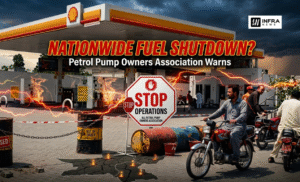

ISLAMABAD: The federal government has finalised a comprehensive energy conservation strategy to manage fuel demand and safeguard supplies as uncertainty grows over the possible closure of the Strait of Hormuz, a critical global oil transit route.
Officials said the plan introduces a new mechanism for weekly revision of petroleum product prices aimed at curbing consumption of fuel and Regasified Liquefied Natural Gas. The policy shift is part of broader contingency measures designed to stabilise energy reserves if regional tensions disrupt supply chains.
The strategy was reviewed during a high level meeting of the committee on petroleum product reserves and consumption chaired by Prime Minister Shehbaz Sharif. Finance Minister Muhammad Aurangzeb briefed the meeting on potential economic implications and the need for immediate conservation measures to protect Pakistan’s fuel security.
According to sources, the plan will be implemented in three phases and includes several proposals focused on reducing overall energy demand. The first phase targets government institutions with strict conservation measures, while the second phase proposes online assignments and virtual learning systems for private schools, universities and other educational institutions.
Authorities are also considering reducing working days for offices and service sector organisations while expanding work from home arrangements similar to those adopted during the COVID period. Officials believe such measures can significantly cut transportation fuel consumption and ease pressure on national reserves.
The government also plans strict enforcement against fuel hoarding, illegal storage and cross border smuggling to maintain stable supplies in the domestic market. Officials said Prime Minister Shehbaz Sharif is expected to take key decisions soon as Pakistan closely monitors developments in the Gulf region and their potential impact on global energy markets.