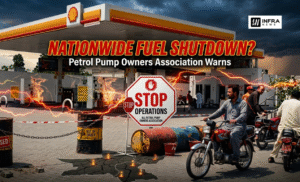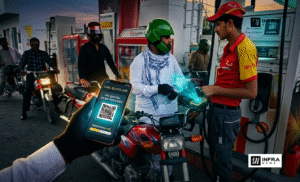

ISLAMABAD: Petrol stations in Islamabad and Rawalpindi began rationing fuel on Friday as panic buying surged following regional tensions and reports about the closure of the Strait of Hormuz. Long queues of vehicles formed outside filling stations as motorists rushed to secure fuel amid fears of supply disruptions and a potential price hike.
Several petrol pumps across the twin cities reportedly ran out of fuel by Friday evening after heavy demand from motorists. Stations operated by major oil marketing companies including Aramco and Attock Petroleum Limited were among those where stocks were quickly exhausted. The rush was triggered by uncertainty in global oil markets and widespread speculation circulating on social media.
Petrol pumps operated by Pakistan State Oil and Shell attempted to manage the situation by limiting fuel sales. Many stations restricted purchases to between eight and ten litres per vehicle in an effort to ensure wider availability. Despite these measures, traffic congestion and long waiting times were witnessed at several fuel stations throughout the day.
Fuel station managers said the surge in demand was largely driven by panic buying. Muhammad Irfan, a filling station manager, said many motorists were purchasing extra petrol out of fear that supplies could tighten or prices could increase overnight. Social media reports about regional developments further intensified public concern.
Motorists across the city shared similar experiences. Shiraz Hussain, a motorcycle rider in Chaklala Scheme III, said he decided to refill his tank after hearing that petrol prices might rise later in the night. Another commuter, Muhammad Bilal, said he had to visit multiple pumps along Murree Road before finally obtaining fuel near Faizabad after waiting in line for nearly an hour.
Petroleum dealers, however, blamed oil marketing companies for slow deliveries. Pakistan Petroleum Pumps Owners Association spokesperson Noman Butt said supply had slowed significantly, creating pressure on retail outlets. Industry representatives also rejected allegations that petrol pumps were creating artificial shortages, noting that most stations can store only 25000 to 30000 litres which typically covers about two days of sales. Dealers maintained that while petrol supplies faced pressure, diesel stocks remained stable.