
ISLAMABAD: Pakistan’s oil industry has urged the State Bank of Pakistan to grant temporary approval for petroleum imports on a cost insurance and freight basis as escalating tensions in the Middle East disrupt shipping routes and sharply increase war risk insurance costs.
In a letter to the central bank governor, the Oil Companies Advisory Council warned that the rapidly evolving geopolitical situation in the Persian Gulf has made international oil shipping highly volatile. Freight charges, tanker availability and insurance costs have surged dramatically as insurers reassess risks linked to the ongoing Iran Israel United States conflict.
Industry officials said marine insurers have either withdrawn coverage or significantly raised war risk premiums for vessels operating near the Strait of Hormuz and surrounding Gulf waters. Freight rates have reportedly increased nearly fourfold, making it increasingly difficult for refineries and oil marketing companies to secure tankers for crude oil and refined fuel cargoes.
Under the current regulatory framework, petroleum imports are typically carried out on a cost and freight basis where suppliers arrange freight while Pakistani buyers secure marine and war risk insurance. However industry representatives say obtaining adequate insurance coverage has become extremely difficult under current market conditions.
The council has therefore requested the central bank to allow temporary imports on a cost insurance and freight basis for at least two months. Under this arrangement suppliers would handle freight and insurance including war risk coverage, enabling them to secure appropriate protection and ensure timely delivery of fuel cargoes to Pakistani ports.
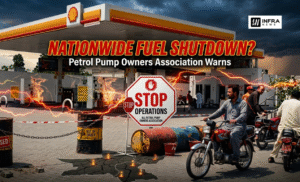
Separately the oil industry also sought the intervention of the Oil and Gas Regulatory Authority after several local administrations reportedly sealed petrol pumps that temporarily ran out of fuel due to panic buying. Industry representatives warned that such actions could worsen supply disruptions and increase public anxiety at a time when maintaining stable fuel distribution is critical for the national economy.