
ISLAMABAD: Pakistan has begun rerouting crude oil shipments through the Red Sea corridor as the ongoing disruption in the Strait of Hormuz continues to threaten global energy supplies. Shipping and industry sources said the move aims to ensure uninterrupted fuel imports as geopolitical tensions in the Middle East disrupt one of the world’s most critical oil transit routes.
According to officials, a vessel of the Pakistan National Shipping Corporation has reached the Yanbu port in Saudi Arabia and is scheduled to sail for Karachi on Thursday carrying around 73,000 tonnes of crude oil. The shipment marks the first major cargo being transported through the alternative Red Sea route since tensions escalated in the Gulf region.
Another PNSC vessel, Shalamar, has also successfully loaded crude oil from Fujairah port in the United Arab Emirates and is now heading toward Karachi. Shipping officials said the vessel managed to complete loading before the disruption in maritime traffic intensified across the region.
However, the crisis has also affected several vessels linked to Pakistan’s energy supply chain. Two PNSC ships are currently stranded near Karachi and at a charter port as shipping activity through the Strait of Hormuz remains severely restricted amid escalating military tensions in the region.
The disruption follows the intensifying conflict involving the United States, Israel and Iran, which has significantly reduced tanker movement through the narrow waterway. The Strait of Hormuz normally handles nearly one fifth of the world’s oil and liquefied natural gas trade, making the blockage a major shock to global energy markets.
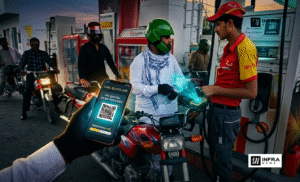
Meanwhile, Pakistan has already begun feeling the economic impact of rising global oil prices. The federal government recently increased petrol and diesel prices by Rs55 per litre, pushing petrol to Rs321.17 and diesel to Rs335.86 per litre. Energy officials said maintaining stable fuel supplies will remain a key priority as demand continues to rise and global markets remain volatile.