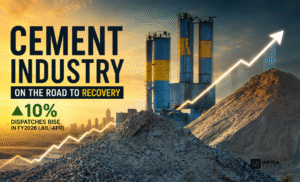

ISLAMABAD: Pakistan’s cement industry has staged a notable recovery in the first nine months of FY26, driven largely by a surge in domestic demand despite ongoing global economic volatility. The sector, which previously relied heavily on exports, is now witnessing a strong shift back to the local market.
Total cement offtake during the period increased by 10 percent, supported by an 11 percent rise in domestic consumption, while exports contributed a modest 6 percent growth. This rebalancing has improved profitability for manufacturers, as local sales offer stronger pricing power compared to highly competitive export markets.
However, the recovery comes with structural challenges. The industry is currently operating with a capacity of nearly 65 million tons, a significant increase over recent years. Despite improved demand, capacity utilisation remains below 60 percent, highlighting persistent overcapacity concerns.
The outlook for the coming months remains uncertain as cost pressures begin to mount. Cement production is heavily dependent on energy, particularly imported coal, making the sector highly vulnerable to global price fluctuations and geopolitical tensions. Rising fuel costs are expected to increase production expenses across the board.
While manufacturers have historically passed on higher costs to consumers, there are growing concerns about weakening purchasing power. Increasing fuel prices are also impacting transportation and construction costs, which may slow down private sector building activity and disrupt the current recovery trend.
Adding to the uncertainty are regional trade challenges, including disruptions in cross border shipments with Afghanistan. Although government incentives such as housing subsidies aim to sustain demand, industry experts warn that rising costs for both producers and consumers could narrow the margin for stability in an already fragile economic environment.