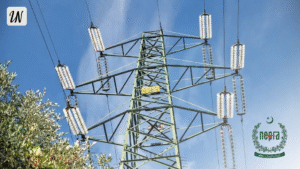

ISLAMABAD: Pakistan’s power sector has entered a new regulatory phase as the National Electric Power Regulatory Authority introduced Concurrence Regulations 2026, a sweeping framework designed to tighten oversight of new electricity generation projects and align future investments with national energy planning.
Issued through an official notification, the new regulations make prior regulatory concurrence mandatory before any new power generation facility can move forward. Officials say the framework aims to bring transparency, prevent speculative investments and ensure projects meet long term infrastructure and demand requirements.
Under the new mechanism, developers will be required to submit detailed technical, financial, environmental and safety assessments for approval. Applications will undergo a structured review process, including public disclosure, scrutiny of objections and final regulatory consideration within a defined timeline.
The regulator has also been empowered to approve or reject projects based on demand projections, economic viability, technology suitability, grid compatibility and environmental impact. Hydropower proposals will face additional scrutiny over river systems, irrigation implications and flood control considerations.
Officials say the reforms are intended to create a more disciplined and strategic approach to power generation at a time when Pakistan faces growing demand pressures and urgent questions over energy planning. Any major change in project design or capacity after approval will also require fresh clearance under the new rules.
The regulations are being seen as a significant shift in how power projects are conceived and approved in Pakistan, strengthening NEPRA’s central role in shaping the sector. As the country seeks a more resilient energy future, the new framework could redefine how investment flows into the power landscape.