
ISLAMABAD: Pakistan’s high stakes Reko Diq mining project has re entered the spotlight after the European Investment Bank signalled strong interest in financing the venture, while officials simultaneously rejected claims of six trillion dollars in mineral reserves as exaggerated and misleading.
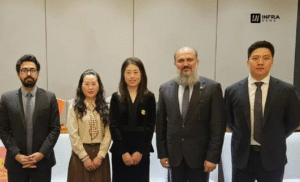
Speaking at the EU Pakistan Business Forum, the Director General of Minerals clarified that the widely circulated valuation lacks scientific backing and is not based on comprehensive exploration. He stressed that while Pakistan possesses significant mineral wealth, realistic assessments are essential for credible investment and policy planning.
The European Investment Bank expressed willingness to invest in critical infrastructure linked to Reko Diq but indicated that access to mineral supplies would be a key consideration. Officials highlighted that Europe’s growing demand for critical minerals, driven by green and digital transitions, is shaping global investment priorities.
Authorities also acknowledged ongoing concerns from contractors regarding taxation during the development phase. Discussions are underway to defer certain taxes until production begins, a move aimed at improving project viability and maintaining investor confidence in a highly competitive global market.
However, uncertainty persists after Barrick Gold slowed development of the project, citing rising security risks and escalating costs. The company has extended its review timeline to mid 2027, warning that both capital expenditure and project timelines may increase significantly.
Despite these challenges, Reko Diq remains one of the world’s largest undeveloped copper and gold deposits, jointly owned by Barrick Gold, Pakistani state entities and the Balochistan government. The evolving negotiations underline both the immense opportunity and complex risks tied to transforming Pakistan’s mineral potential into long term economic gains.