
Interior Minister Mohsin Naqvi announces a plan to remove overhead power infrastructure across the capital in coordination with IESCO.
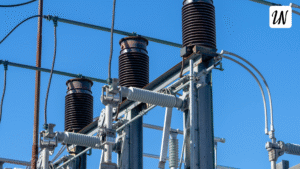
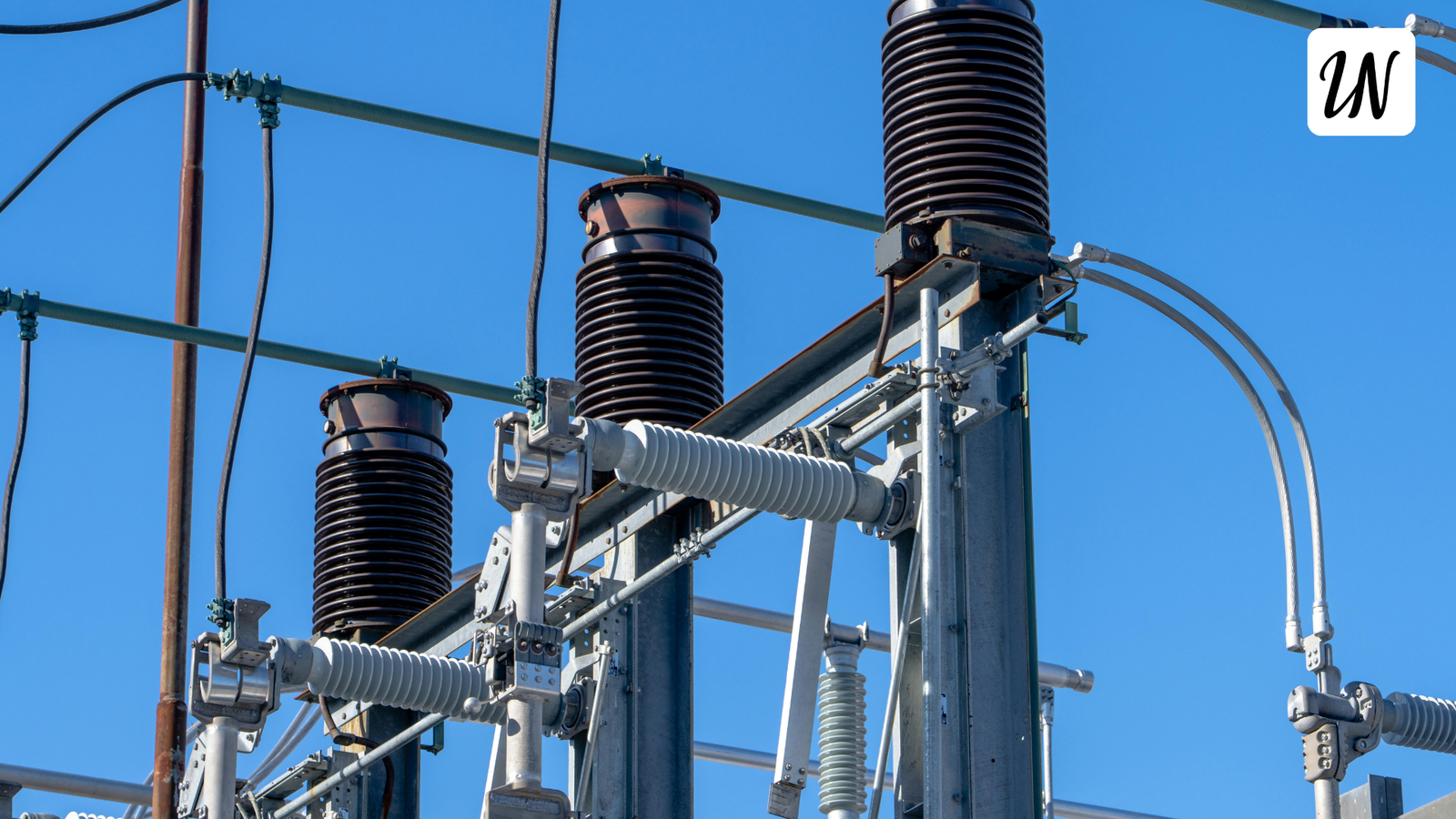
ISLAMABAD: The federal government plans to shift Islamabad’s overhead electricity infrastructure underground within the next two years, aiming to remove visible electricity poles and improve the city’s streets.
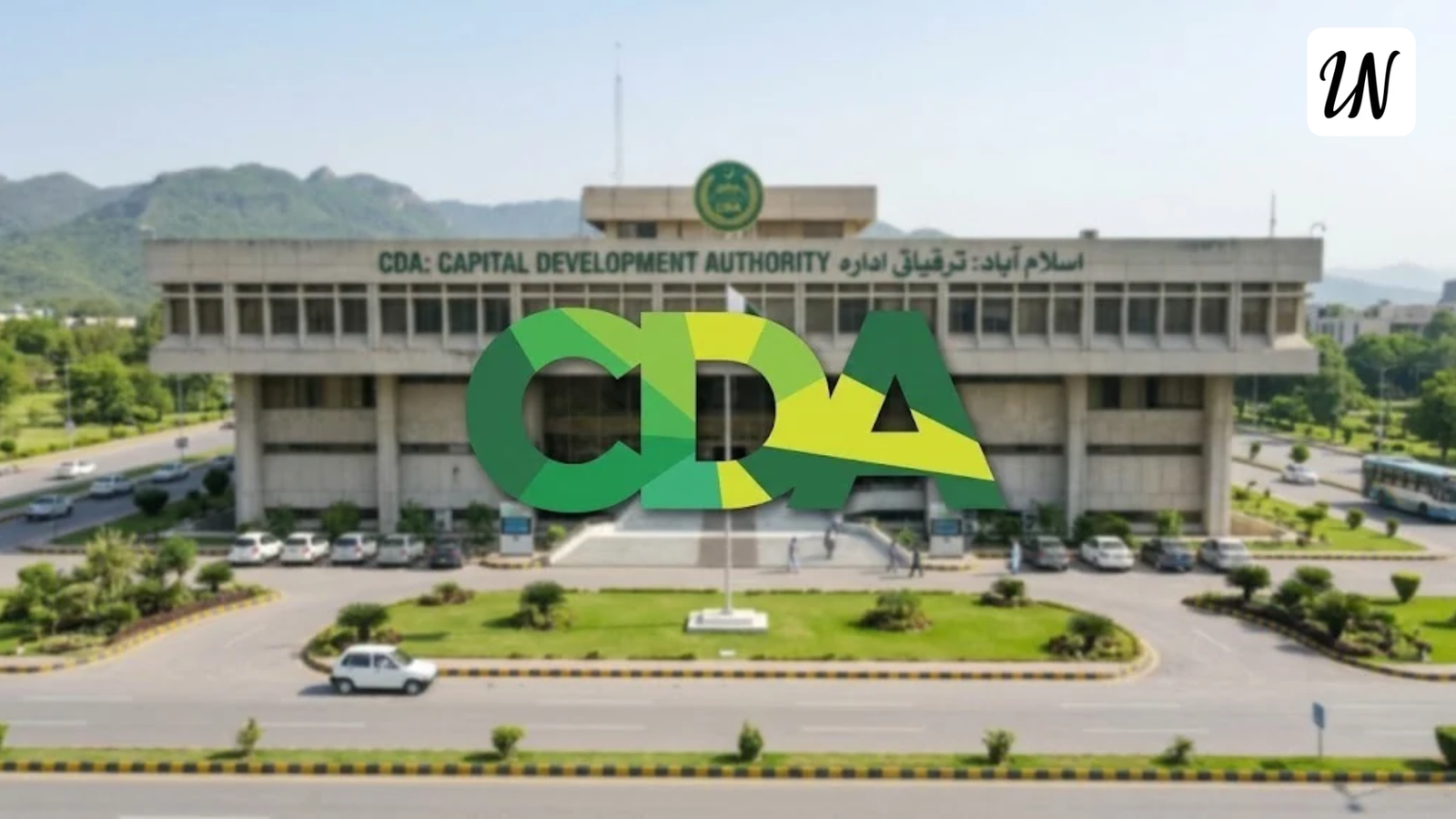
Interior Minister Mohsin Naqvi announced the plan during a visit to the Bhara Kahu area, saying the government would work with the Islamabad Electric Supply Company (IESCO) to move the power infrastructure underground.
If implemented across the capital, the initiative could change the appearance of streets, reduce visible overhead wiring and support wider efforts to improve Islamabad’s urban environment.
Two-Year Target Announced
The minister said the government aims to remove electricity poles from Islamabad within two years. However, a detailed implementation schedule, project cost and funding arrangements have not yet been publicly confirmed in the announcement.
Shifting power infrastructure underground typically requires underground cables, protective ducts, access points and changes to existing electricity distribution systems. The scale of the work will depend on technical planning and coordination with relevant authorities.
Government Also Plans to Improve Older Sectors
The announcement came alongside plans to improve older residential sectors, including G-6, G-7, G-9 and G-10.
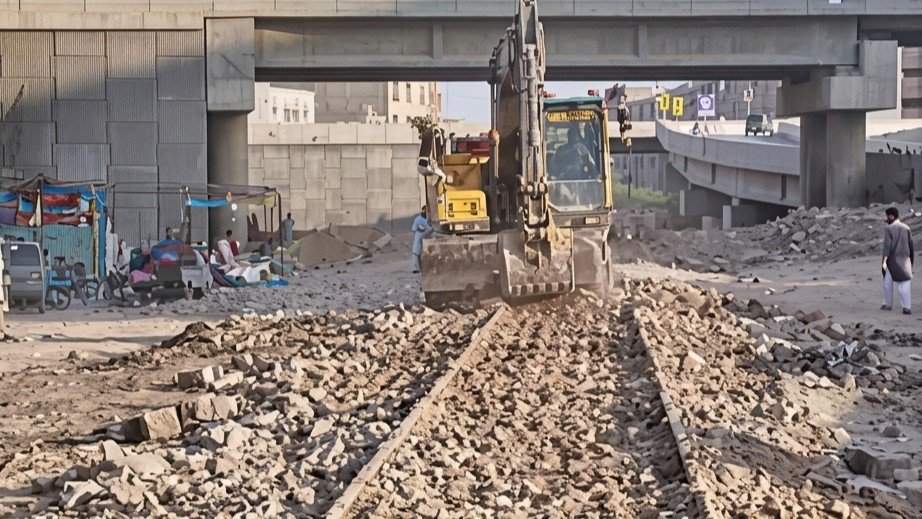
The minister also discussed action against alleged encroachments on government land in Bhara Kahu. He said around 108 kanals of government land had been illegally occupied for decades and directed officials to take steps to recover it.
Separately, he announced plans to establish eight museums showcasing Pakistan’s national culture on approximately 150 acres of land.
What Could Underground Electricity Cables Mean for Islamabad?
Moving overhead power infrastructure underground could make streets look less cluttered and reduce the exposure of cables and poles to some weather-related damage. However, underground systems require significant investment, careful installation and access for maintenance and repairs.
The project’s success will depend on the final design, funding, coordination with IESCO and the pace of implementation.
For now, the two-year target is an announced government plan. Further details will be needed to establish which areas will be covered first and when work will begin.