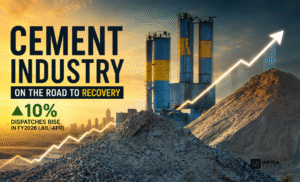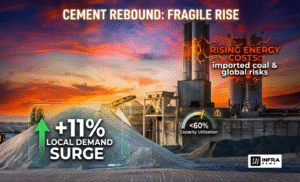

Infrastructure development is a cornerstone of economic progress, urbanization, and social wellbeing. From roads and bridges to tunnels, dams, and high-rise buildings, cement plays a pivotal role in shaping the physical framework of a nation. As governments and private sectors invest heavily in infrastructure to support population growth and economic development, the cement industry stands at the forefront of this transformation.
A Foundation for Growth
Cement is the essential ingredient in concrete—the most widely used construction material on Earth. Its strength, versatility, and durability make it the preferred choice for foundational infrastructure projects. Whether it’s the construction of expressways, rail networks, power plants, or airports, cement provides the structural backbone for modern civilization.
In developing nations, the demand for cement is directly tied to national infrastructure agendas. Projects such as affordable housing schemes, rural road connectivity, and smart city development are fueling a surge in cement consumption. In developed countries, cement is equally crucial in upgrading aging infrastructure and supporting green building initiatives.
Driving Economic Development
The cement industry not only supports infrastructure growth but also contributes significantly to the economy. It generates millions of jobs across the value chain—ranging from mining and production to transportation and construction. This sector often stimulates local economies by fostering demand for raw materials like limestone, clay, and gypsum, creating a ripple effect in regional development.
The cement industry not only supports infrastructure growth but also contributes significantly to the economy. It generates millions of jobs across the value chain—ranging from mining and production to transportation and construction. This sector often stimulates local economies by fostering demand for raw materials like limestone, clay, and gypsum, creating a ripple effect in regional development.
Innovation and Sustainability
While the industry has traditionally been energy- and carbon-intensive, modern cement production is evolving rapidly to align with environmental goals. Green cement technologies, waste co-processing, and alternative fuels are being adopted to reduce the environmental footprint. Many companies are investing in carbon capture and storage (CCS) technologies and exploring ways to make concrete more recyclable.
These innovations not only minimize environmental impact but also enhance the durability and performance of infrastructure projects, ensuring that bridges, highways, and buildings last longer with reduced maintenance.
Strategic Importance in Urbanization and Connectivity
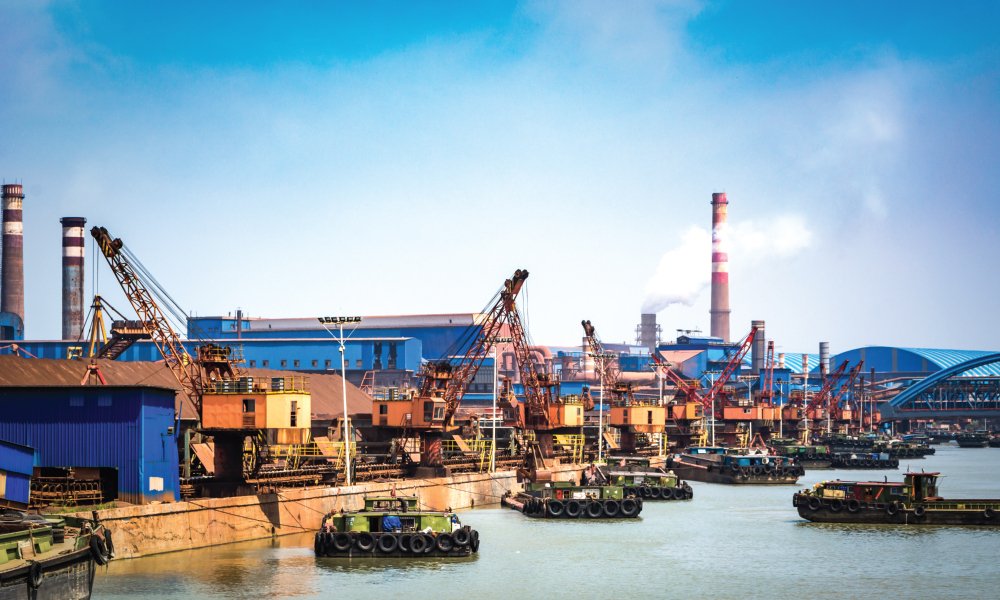
As cities expand and rural areas demand better connectivity, the role of cement becomes even more critical. Efficient transportation systems, water supply networks, and energy grids require robust materials that can withstand extreme conditions. Cement-based structures offer the strength and longevity needed to support growing populations and urban infrastructures.
Furthermore, mega infrastructure projects like high-speed rail corridors, metro systems, and smart highways heavily rely on cement as a fundamental material in construction and development.
Conclusion
The cement industry is far more than just a provider of construction material; it is a key enabler of progress. By underpinning infrastructure growth, it accelerates economic development, enhances connectivity, and improves quality of life. As nations worldwide push for sustainable and resilient infrastructure, the cement industry will continue to play a crucial role—innovating, evolving, and building the future, one structure at a time.