
ISLAMABAD: Pakistan may face a serious liquefied natural gas shortage after April 14 as escalating conflict in the Middle East disrupts shipments and threatens the country’s energy security. Officials from the petroleum ministry warned a Senate committee on Monday that LNG imports from Qatar have remained suspended since March 2, raising concerns about fuel availability for electricity generation in the coming weeks.
During a meeting of the Senate Standing Committee on Petroleum chaired by Senator Manzoor Ahmed, officials revealed that Pakistan’s LNG supply chain had been severely affected by the ongoing regional conflict. Out of eight LNG cargoes scheduled for March under long term agreements with Qatar, only two shipments reached the country, while six cargoes expected in April are now unlikely to arrive.
The disruption is linked to the growing instability in the Middle East and shipping constraints through key maritime routes. Qatar, the world’s second largest LNG exporter, supplies most of Pakistan’s imported LNG used by power plants during peak electricity demand. Officials said the conflict has slowed shipping movement across the region, affecting global oil and gas trade and pushing energy prices to their highest levels since 2022.
Petroleum ministry officials told the committee that the LNG shortfall could significantly reduce gas supply to the power sector in April. Gas deliveries to power plants have already dropped from 300 million cubic feet per day to around 130 mmcfd, while Sui Southern Gas Company has cut supply by 50 percent to a fertiliser plant. However, authorities assured lawmakers that domestic consumers would continue receiving gas.
To bridge the gap, the government is exploring emergency purchases from alternative suppliers including Azerbaijan. Officials cautioned that spot market LNG could cost about 24 dollars per unit compared with roughly nine dollars under Pakistan’s long term Qatari contract, a difference that could lead to higher electricity generation costs.
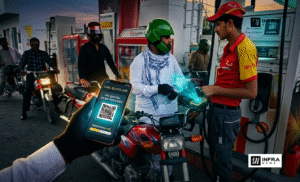
Petroleum Secretary Mirza Nasir ud Din Ahmad informed the committee that around 70 percent of Pakistan’s petroleum imports originate from the Middle East, making the country vulnerable to geopolitical disruptions. He said Pakistan currently holds crude oil reserves for 11 days, diesel for 21 days and petrol stocks for about 27 days, while the government continues daily monitoring of the energy supply situation to avoid shortages across the country.