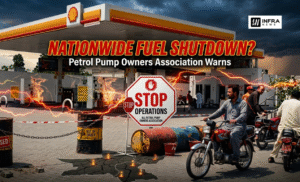

ISLAMABAD/RAWALPINDI: The sharp increase in petroleum prices has begun rippling through markets in Islamabad and Rawalpindi, with retailers raising prices of confectionery, groceries and other daily use items despite selling stock purchased at older rates. Consumers say shopkeepers have swiftly passed on the impact of the government’s decision to increase petrol and diesel prices by Rs55 per litre.
Residents across the twin cities reported sudden price jumps in everyday products including biscuits, noodles, toothpaste, locally produced chocolates and even clothing items. Wafa Abbas, a resident of Margalla Town, said several items had increased by around Rs10 each when she visited a local shop to purchase basic household goods.
Consumers complained that retailers were charging higher prices even though the goods available on shelves were bought earlier at lower rates. Many shoppers described the sudden increase as unfair and accused shopkeepers of exploiting the situation to boost profits.
Retailers, however, defended the price adjustments, saying the surge in fuel prices had increased transportation and distribution costs. Ghulam Ullah, a shopkeeper in Aabpara Market, said traders often face losses when prices drop and therefore try to maintain a balance whenever fuel costs surge. He also criticised the government for not giving advance notice about fuel price changes.
Traders’ organisations warned that the biggest pressure may soon be seen in dairy products and fresh food supplies. Pakistan Dairy Association Chief Executive Officer Dr Shehzad Amin said the dairy sector is heavily dependent on logistics because milk must be collected from farms daily and transported to processing plants and retail outlets across the country. He added that Pakistan already imposes an 18 percent sales tax on milk, which further increases retail prices.
Meanwhile, fruit and vegetable traders said rising diesel costs had pushed up transportation charges for produce arriving from Sindh and other regions. Public transport fares have also increased by Rs30 to Rs50 per passenger, while long route operators have raised fares by up to Rs150, placing additional financial pressure on commuters ahead of the Eid season.