
ISLAMABAD: A broad alliance of political leaders, rights activists, urban planners and intellectuals has intensified pressure on the federal government to frame a comprehensive housing rights policy, warning that forced evictions and neglect of informal settlements are pushing the capital toward a deep social crisis.
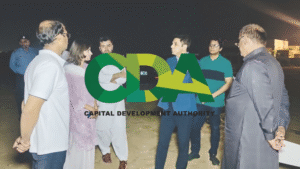
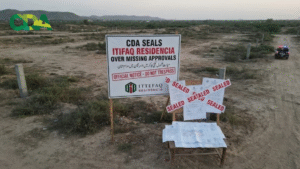
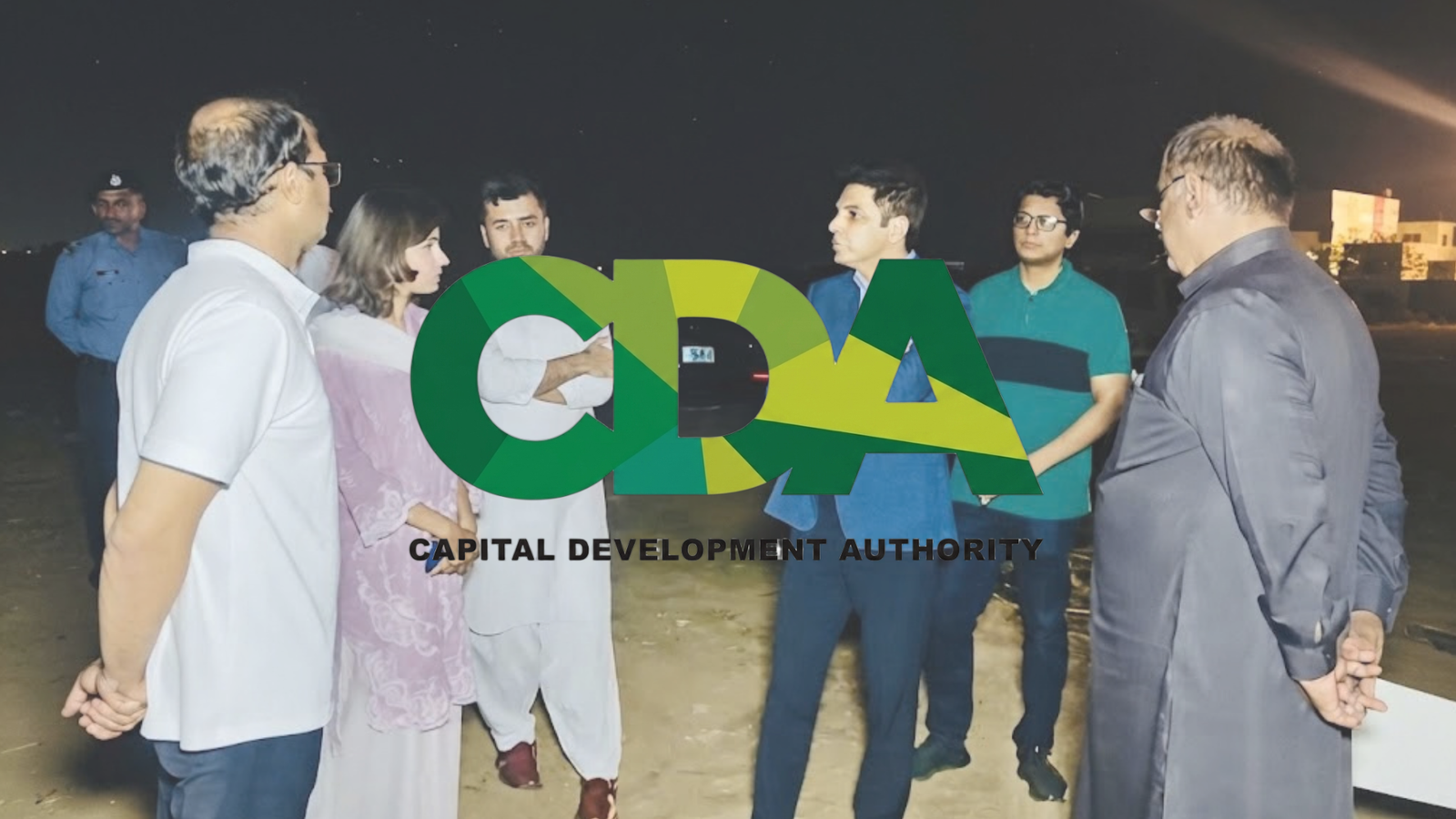
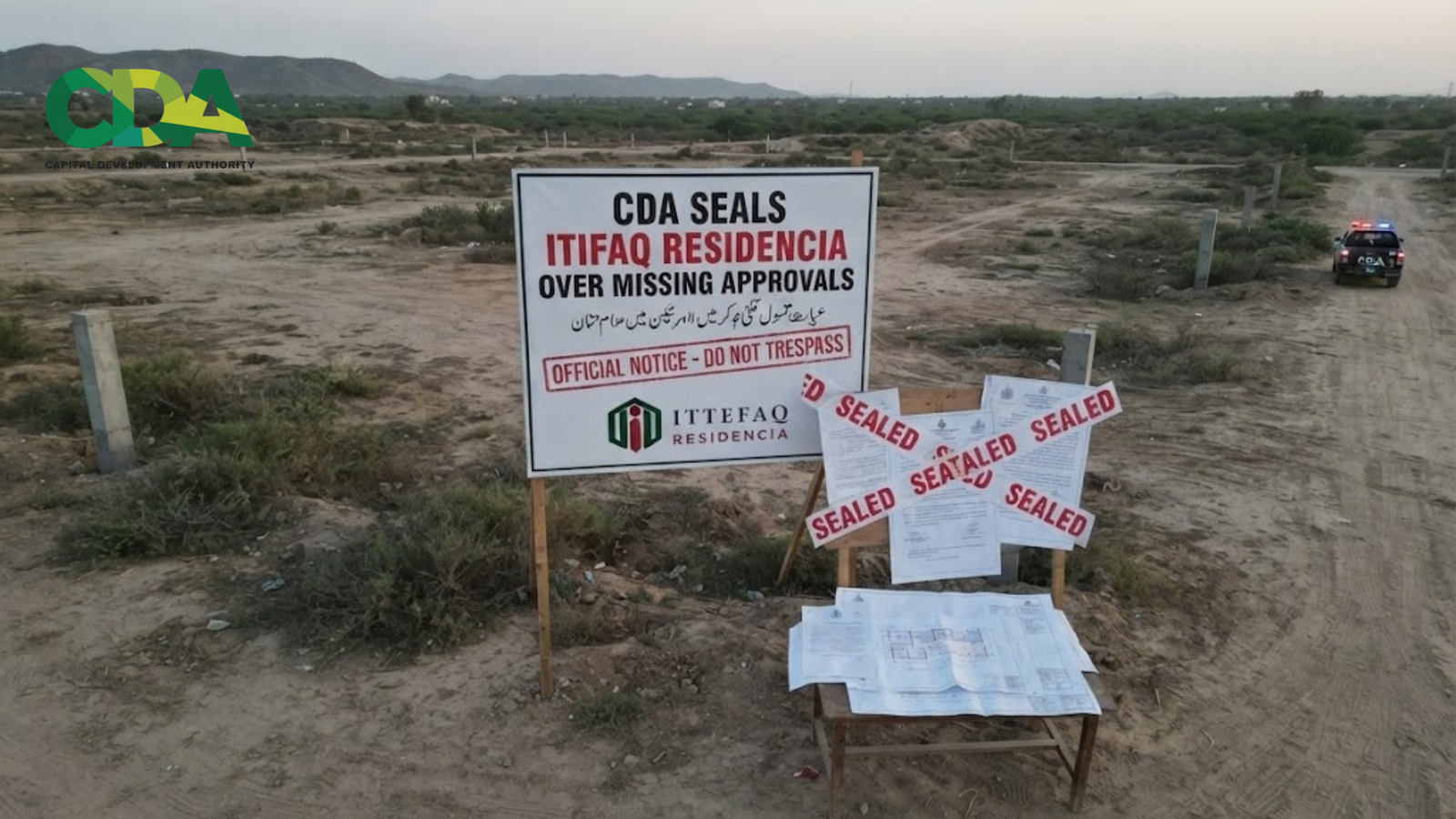
At a major press conference in Islamabad, civil society groups demanded an immediate halt to demolition drives and called for a constitutional framework guaranteeing housing rights for low income residents. Participants challenged the Capital Development Authority over what they described as unlawful evictions, weak settlement policies and failure to recognise the scale of katchi abadis in the capital.
Speakers argued Islamabad’s rapid growth has far outpaced housing planning, with informal settlements expanding while state responses remain outdated. They said millions remain vulnerable because authorities have not carried out an updated settlement survey in decades, while repeated operations against slums and street vendors have worsened insecurity among marginalized communities.
The alliance also questioned what it called selective enforcement, alleging elite developments and exclusive clubs receive concessions while poor communities face demolition. Urban experts warned that displacement without rehabilitation is fueling inequality and undermining the city’s social fabric, while also exposing the government to legal and constitutional challenges.
Environmental concerns also emerged at the center of the debate, with speakers linking housing injustice to broader urban planning failures, including unchecked construction, loss of green cover and pressure on fragile ecosystems. They urged authorities to pursue inclusive planning instead of eviction driven development, saying Islamabad cannot become a model city by displacing its most vulnerable residents.
With warnings of court action and growing political opposition, the demand for a national housing rights framework is gathering momentum. Activists say the debate has moved beyond katchi abadis and now concerns the future shape of Islamabad itself, where development, legality and social justice are increasingly colliding.