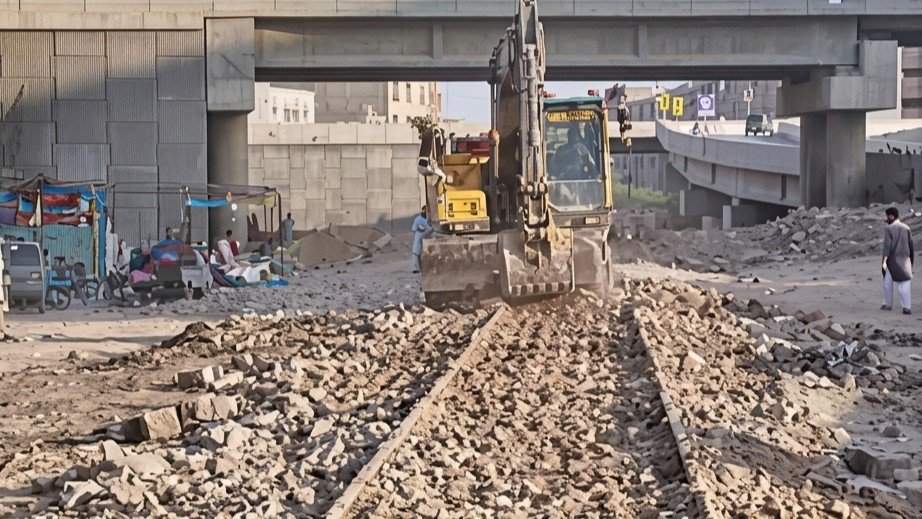

The proposed plan includes upgrading the terminal to B-class, increasing bus bays from 37 to 80, improving security and introducing a computerised system for managing transport operations.
RAWALPINDI: A special inquiry committee has recommended a major upgrade of Pirwadhai General Bus Stand, highlighting serious concerns about passenger safety, financial management, security arrangements and the use of public space at one of Rawalpindi’s busiest transport facilities.
The committee submitted its report to Deputy Commissioner Nadeem Nasir after examining the terminal’s operations, income, expenditure, security arrangements and facilities for passengers.
Established in 1976 across 210 kanals, the bus stand currently operates as a C-class terminal. It handles approximately 40,000 passengers daily, while around 65 public service vehicles pass through it every hour.
Despite this heavy traffic, the facility has only 37 active bus bays serving 65 transport companies, creating pressure on the existing infrastructure and operating arrangements.
Bus bays to increase from 37 to 80
The inquiry committee has recommended upgrading Pirwadhai General Bus Stand from C-class to B-class status and increasing the number of bus bays from 37 to 80.
It has also called for a new master plan and a computerised system to manage bus parking, arrivals and departures. The proposed changes are intended to improve the organisation of transport operations, reduce congestion within the terminal and provide a better experience for passengers.
The recommendations would require improvements to the facility’s layout and management to accommodate the large number of buses and travellers using the terminal every day.
Security weaknesses identified
The report raised concerns about the absence of a boundary wall, non-functional CCTV cameras, inadequate passenger screening and weak entry and exit controls.
To address these problems, the committee recommended constructing a perimeter wall, engaging a private security company and deploying at least 25 security guards.
It also called for the restoration of CCTV cameras, establishment of a dedicated control room and full implementation of the Travel Eye system to strengthen monitoring and security.
These measures are intended to improve surveillance, control access to the terminal and provide a safer environment for passengers and transport workers.
Rs668.2 million generated over eight financial years
The inquiry also examined the terminal’s finances. According to the report, Pirwadhai General Bus Stand generated approximately Rs668.2 million between 2018-19 and 2025-26, excluding rental income from shops, petrol stations, hotels and canteens.
Of this amount, around Rs170.1 million was spent on development, while Rs67.1 million was used for operational expenses. The remaining Rs431 million was deposited into the Rawalpindi Municipal Corporation’s general fund.
The findings have raised questions about how income generated by the terminal has been used and whether sufficient resources have been allocated to improve its infrastructure and passenger facilities.
Unauthorised activities and encroachments flagged
The committee also identified operational irregularities, including the subletting of bus bays, multiple transport companies sharing a single bay and the picking up of passengers outside the designated terminal area.
Shops and pushcarts occupying passenger passageways were also identified as an obstacle to the proper movement of people within the facility.
The committee’s recommendations aim to improve the use of bus bays, strengthen operational oversight and clear spaces needed for passenger movement.
Upgrade could improve travel for thousands
Pirwadhai General Bus Stand connects Rawalpindi and Islamabad with destinations across Pakistan, making it an important part of the region’s public transport network.
If implemented, the proposed improvements could increase the terminal’s capacity, strengthen security, improve traffic management and provide better facilities for thousands of daily passengers.
The recommendations now place renewed focus on the need for a comprehensive development plan and stronger management of the facility. The next step will be action by the relevant authorities on the committee’s findings.