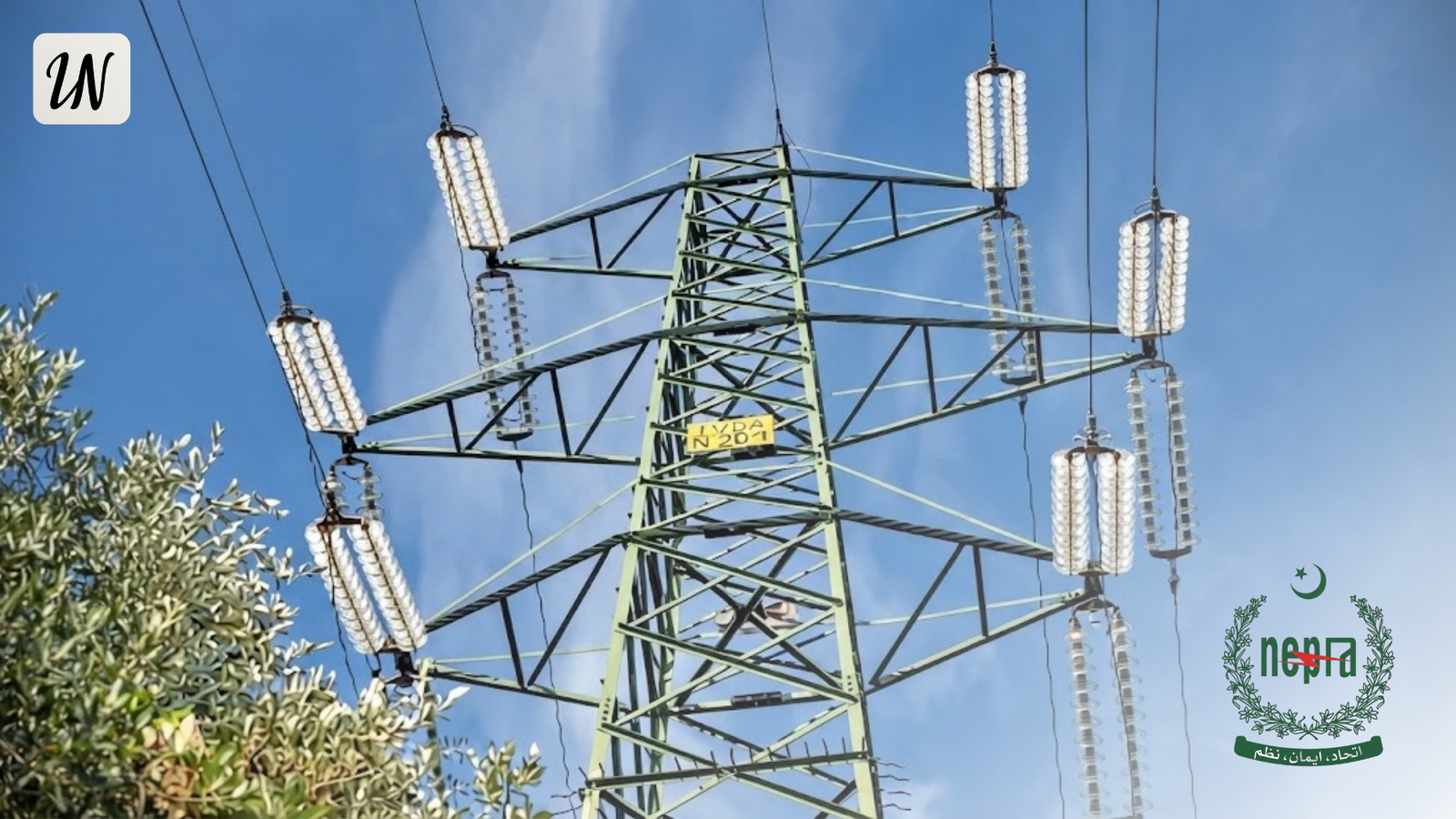

ISLAMABAD: Pakistan is confronting a deepening electricity emergency with an estimated power deficit exceeding 11000 megawatts, as fuel shortages, plant outages and transmission bottlenecks place extraordinary strain on the national grid.
Officials say effective power availability has dropped sharply despite the country’s installed generation capacity of around 46000 megawatts. Nearly 11000 megawatts are currently unavailable, reducing actual supply to roughly 17000 megawatts and intensifying load shedding concerns as summer demand surges.
A major factor behind the crisis is the complete disruption in RLNG based generation, which has left around 5500 megawatts of capacity idle. The situation has been worsened by prolonged faults at critical plants including the Neelum Jhelum Hydropower Project and Guddu Combined Cycle Power Plant, both operating far below expected output.
Hydropower generation has also remained significantly below capacity due to reduced water releases, while transmission constraints are preventing surplus electricity from reaching demand heavy regions, contributing to prolonged outages particularly in central Punjab.
Authorities have responded with peak hour load management and emergency grid balancing measures, but officials warn conservation efforts and fuel restoration remain crucial to avoid deeper disruptions. Expensive backup generation from alternative fuels has added further pressure to the energy system.
The crisis has also reignited concerns about long term planning, with official projections showing demand could exceed 43000 megawatts by 2035. As the immediate shortage tests grid resilience, the growing gap between installed capacity and usable power is raising urgent questions about Pakistan’s energy security and infrastructure preparedness.